Why Wet Timing Belts Were Supposed to Be Better
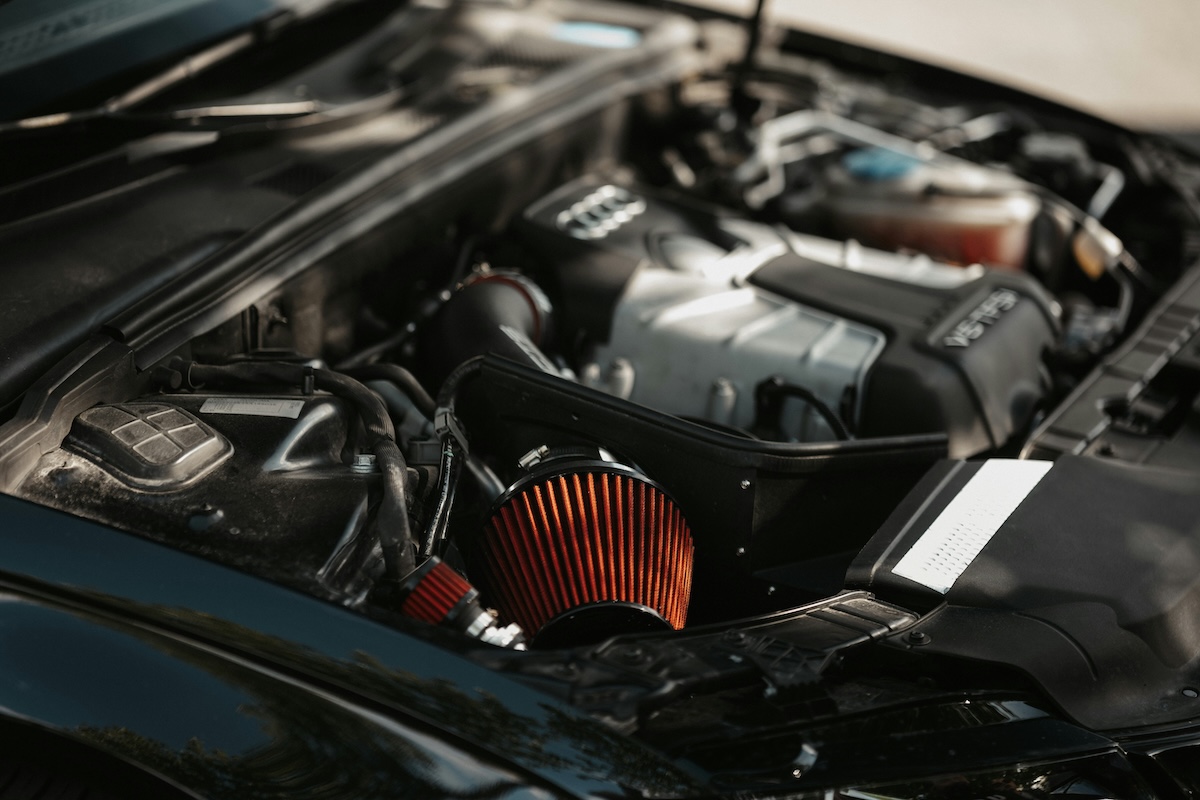
The blog this week is about why the new wet belt system was supposed to be better that the traditional belt. Do you have a wet belt on your car? If so, you need to be aware and read this. Everyone is trying to save money at the moment, interest rates are rising, fuel bills are rising, food costs are soaring etc so when it comes to owning a car, we need all the help we can get to keep costs down. Read on to find out more:
Well at first glance, wet timing belts seem like a clear upgrade on the more traditional timing belt that most of us are familiar with. They allow for a smoother and quieter engine operation while potentially improving fuel efficiency. However, as these new systems have been put to the test in real-world driving conditions, they’ve revealed some unexpected and costly challenges that every driver potentially purchasing a vehicle with a wet belt or owner of a vehicle with a wet belt should know about.
When manufacturers first introduced wet timing belts, they marketed them as a significant improvement over the traditional dry belts we all know. The idea was simple: by bathing the belt in oil this would reduce the friction and heat that cause wear in the traditional dry belt systems. The average cost of a cam belt replacement is anywhere between £350 - £800 – this is dependent on the car etc. A traditional timing belt change recommendation is usually around 60,000 miles or 4-7 years – but again it differs between manufacturers, and you should always check your owners guide and service schedule. Not changing your belt is inviting trouble in the form of a new engine! Way more expensive to rectify! Therefore, to have a system that required replacement less frequently is of course a significant selling feature of manufacturers to potential purchasers. This added lubrication was expected to make the belts last longer, sometimes exceeding 100,000 miles or more before needing replacement.
In addition to durability, they also enabled more compact engine designs, which are beneficial for modern vehicles where space and weight savings are key to meeting stringent emission standards. Whilst these advantages sound appealing, the reality has been more complex, and many drivers have encountered unexpected issues with their wet timing belts. Next week we will talk about the issues that our customers and many more up and down the country have been facing. We cannot stress the importance of taking your car that has a wet belt fitted to a garage that has the experience and specific tools – like us here at ACC UK Ltd – not everyone can do this type of job! Happy Safe Motoring Folks!
Here at ACC UK Ltd, Winners of The Motor Trader Independent Garage of The Year 2015, 2019 & 2020, GRA – Outstanding Automotive Service Excellence 2025, The IGA Big Awards 2022, The Inspire Customer Service Excellence 2016 Award, The Eagle Radio Customer Focus 2017 Business Award, The Workshop Magazine Workshop Manager of the Year 2017 Award, The LiveWire Excellence In Vehicle Servicing 2019 Award and The Aftermarket Excellence Award for Best Website 2019, The Eagle Radio Biz Award – Entrepreneur of the Year 2020 & the SME News Magazine Most Trusted Car Servicing Provider 2020, we pride ourselves on offering an outstanding customer experience for a fraction of the cost of a dealership. Give us a call and let us quote you for your next service or repair on your Volvo or Toyota. We service all areas around Farnborough, Fleet, Aldershot, Farnham, Guildford, Frimley, Camberley, Hook, Sandhurst, Crowthorne, Yateley, Hampshire and Surrey. We offer free collection and drop off services. We also have a fleet of courtesy cars to allow you to get on with your schedule whilst your Volvo or Toyota is with us. Happy Motoring from all at ACC UK Ltd – Independent Volvo & Toyota servicing, repair and MOT specialists based in the heart of Farnborough, Hampshire